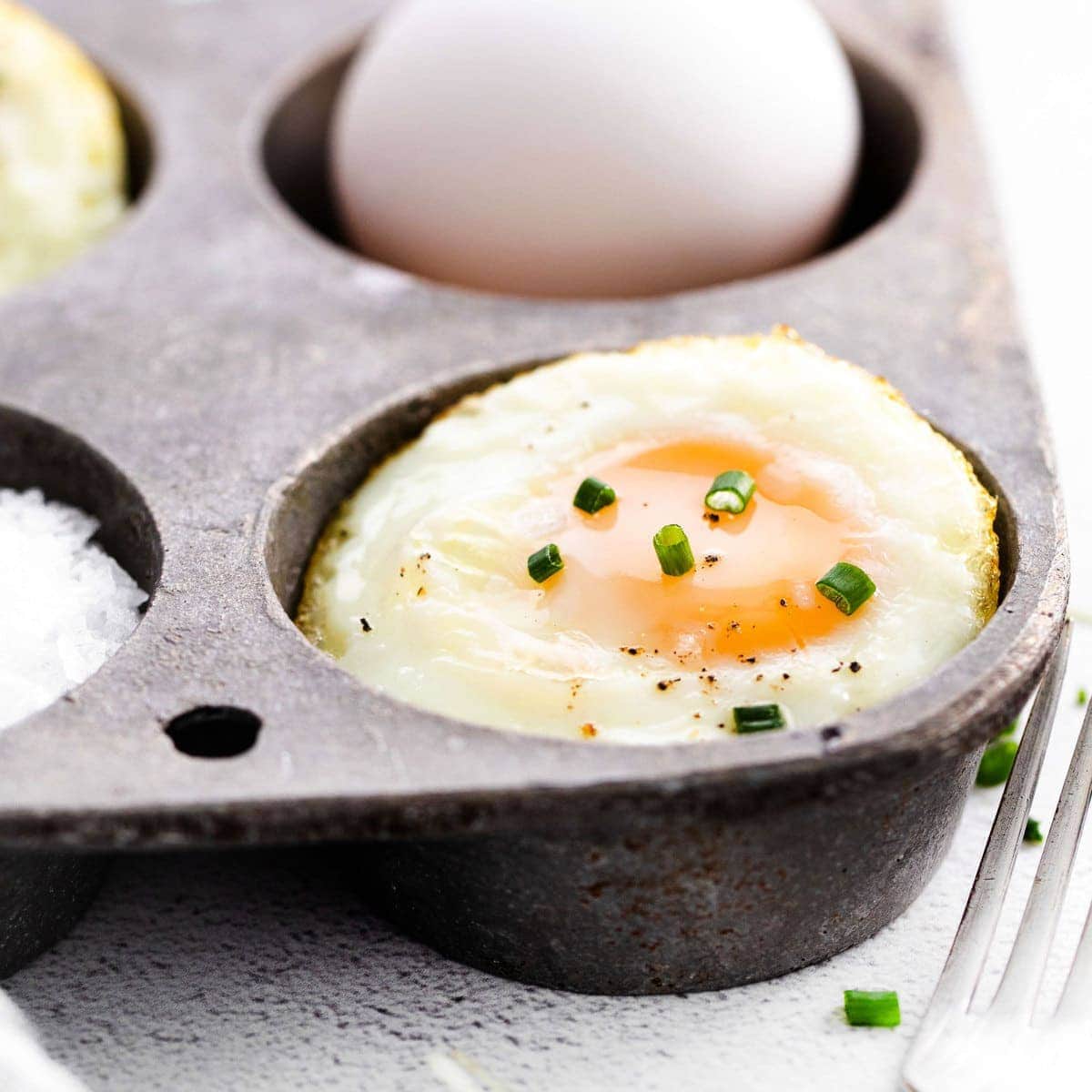
Streamline Your Mornings: Easy Oven Baked Eggs in a Muffin Tin
Mornings can be a mad dash, a chaotic symphony of alarms, hurried dressing, and the perennial question: "What's for breakfast?" Far too often, the answer involves grabbing something less-than-nutritious on the go. But what if you could effortlessly whip up a week's worth of protein-packed, delicious breakfasts with minimal effort and absolutely no peeling? Welcome to the world of oven-baked eggs, specifically crafted in a muffin tin. Learning
how to bake eggs in oven using this simple method isn't just a recipe; it's a game-changer for anyone looking to reclaim their mornings and start the day on a healthier, more organized foot. Forget complicated pans and constant monitoring; this technique offers a path to perfect eggs, every single time.
Why Oven Baked Eggs Are Your Breakfast Game-Changer
The concept of meal prepping often conjures images of endless chopping and elaborate cooking sessions, but with baked eggs, it's astonishingly simple. The beauty of preparing eggs in a muffin tin lies in its unparalleled convenience and the host of benefits it brings to your daily routine.
First and foremost,
efficiency is key. When you learn
how to bake eggs in oven in batches, you're investing a mere 15-20 minutes once a week to ensure a healthy breakfast is always at your fingertips. No more scrambling (literally!) for a morning meal. This forward-thinking approach frees up valuable time during your busiest hours, allowing for an extra few minutes of sleep, a peaceful cup of coffee, or even a quick morning stretch.
Beyond time-saving, there's the significant advantage of
nutrition and consistency. Starting your day with a boost of protein is incredibly beneficial. Protein helps you feel fuller for longer, stabilizes blood sugar levels, and provides sustained energy, preventing that mid-morning slump and the temptation of unhealthy snacks. These oven-baked eggs deliver that protein punch without any added fuss. Unlike fried eggs, which can be greasy, or poached eggs, which require precision, baking them in the oven yields consistently light and fluffy results with perfectly cooked yolks, customized to your preference.
Many people turn to hard-boiled eggs for meal prep, but they come with a significant downside: the peeling. The tedious, sometimes frustrating, process of peeling hard-boiled eggs can be enough to deter even the most dedicated meal prepper. This is where oven-baked eggs truly shine. They offer all the grab-and-go convenience of hard-boiled eggs, but with *zero peeling involved*. Simply pop them out of the muffin tin, and they're ready to eat or store. For those seeking an even more effortless path to their morning protein, you'll want to read more about
Ditch the Peeling: Effortless Baked Eggs Are Your New Breakfast Staple.
The Core Technique: How to Bake Eggs in Oven, Muffin-Tin Style
Mastering the art of baking eggs in a muffin tin is incredibly straightforward, requiring minimal equipment and ingredients. The basic method is so simple, it feels like cheating.
What You'll Need:
- Eggs: Fresh large eggs are ideal.
- A Non-Stick Muffin Pan: A standard 12-cup muffin tin works perfectly. While non-stick is highly recommended for easy release, a regular pan can work if adequately greased or lined.
- Oil or Butter: For greasing the muffin cups. Non-stick cooking spray is also an option.
- Optional Seasonings: Salt and freshly ground black pepper to taste.
Step-by-Step Guide:
- Preheat Your Oven: Begin by preheating your oven to 350°F (175°C). This ensures a consistent temperature from the moment the eggs enter the oven, crucial for even cooking.
- Prepare Your Muffin Tin: Lightly grease each muffin cup with oil, melted butter, or non-stick cooking spray. Even with a non-stick pan, this step is vital to prevent sticking and ensure your eggs slide out easily. For an extra layer of protection, especially if your pan is older or not truly non-stick, you can place a small parchment paper liner in each cup before greasing.
- Crack the Eggs: Carefully crack one egg into each greased muffin cup. Try to avoid breaking the yolk if you prefer it jammy. You can fill as many cups as you need, whether it's just a few for a single day or all twelve for a week's worth of meal prep.
- Season (Optional): Sprinkle a pinch of salt and black pepper over each egg. You can also add other simple seasonings at this stage, such as a dash of paprika or a sprinkle of dried herbs.
- Bake to Your Desired Doneness: This is where personal preference comes in.
- For a jammy, slightly runny yolk with set whites (as seen in many cafe-style baked eggs), bake for approximately 14 minutes. The yolk will be liquid but thickened, and the whites fully set.
- For a firmer, mostly set yolk (similar to a soft-boiled egg yolk), bake for around 16-17 minutes. The yolk will still be moist but less liquid.
- For a fully set, hard-cooked yolk, you might need to bake for 18-20 minutes, possibly slightly longer depending on your oven.
Keep in mind that oven temperatures can vary significantly. It's always a good idea to check your eggs around the 13-minute mark during your first attempt to gauge how your oven performs. For more detailed guidance on achieving specific yolk consistencies, explore Perfectly Baked Eggs: Achieve Jammy or Set Yolks Every Time in Your Oven.
- Cool and Store: Once baked to your liking, carefully remove the muffin tin from the oven. Allow the eggs to cool in the pan for a few minutes before gently removing them with a spoon or small spatula. This brief cooling period helps them firm up slightly and makes removal easier.
Elevate Your Egg Cups: Delicious Variations and Flavor Boosts
While plain baked eggs are fantastic on their own, their neutral canvas makes them perfect for customization. This is where you can truly get creative and tailor your breakfast to your taste buds. Inspired by more elaborate baked egg dishes, you can easily adapt these ideas for your muffin tin.
Before cracking the egg, consider layering some flavorful ingredients at the bottom of each greased muffin cup. This not only adds taste but also texture and nutrition.
*
Veggies Galore: Finely diced vegetables are a wonderful addition. Sautéed onions, bell peppers (any color!), mushrooms, or spinach (sautéed to remove excess moisture) can form a delicious base. For a fresher crunch, a spoonful of corn or peas can be added directly. The "Baked Eggs Napoleon" concept, with its braised veggies and feta, is a great inspiration to get those greens and aromatics into your morning routine.
*
Cheesy Goodness: A sprinkle of your favorite cheese can transform your egg cups. Shredded cheddar, Monterey Jack, crumbled feta, or even a dusting of Parmesan melt beautifully over the eggs.
*
Protein Power-Ups: Elevate the protein content and flavor with cooked meats. Crumbled bacon bits, diced ham, cooked sausage crumbles, or even shredded chicken can be added before the egg.
*
Herbaceous Touches: Fresh or dried herbs can add a burst of flavor. Chives, parsley, dill, or a touch of dried oregano complement eggs wonderfully. Add them before or after baking.
*
Spicy Kick: For those who like a little heat, a pinch of red pepper flakes, a dash of hot sauce (before or after baking), or finely diced jalapeños can wake up your palate.
*
Bread & Carbs (Adapted): While the "Napoleon" recipe uses bread cubes at the base of an oven dish, you can adapt this for muffin tins by pressing a small piece of bread (toast cut into rounds) or a spoonful of breadcrumbs into the bottom of the greased muffin cup before adding the egg. This creates a delightful crust or a small "nest." You could even use a small cooked potato disc!
Pro Tip for Add-ins: If adding ingredients with high moisture content (like fresh tomatoes or mushrooms), consider sautéing them lightly beforehand to remove some water and concentrate their flavors, preventing a watery egg cup. For cheese or meat, placing them at the bottom often results in a nice crispy edge or a melted layer around the yolk.
Troubleshooting and Pro Tips for Perfect Baked Eggs
Even with a simple recipe, a few common issues can arise. Here’s how to troubleshoot them and some extra tips to ensure your baked eggs are always a success:
*
Eggs Sticking: The most common complaint! This almost always points to insufficient greasing or an old muffin tin that has lost its non-stick properties. Ensure you generously grease *every crevice* of the cup. Using parchment paper liners is a fool-proof way to prevent sticking entirely.
*
Overcooked/Undercooked Yolks: Every oven is different. If your yolks are consistently too firm or too runny despite following the timing, adjust your baking time by 1-2 minutes up or down in subsequent batches. An oven thermometer can also help you verify your oven's actual temperature. Large vs. small eggs can also slightly impact baking time; large eggs are generally assumed for these timings.
*
Preventing Overflow: While rarely an issue with single eggs, if you’re adding a lot of dense ingredients, ensure you leave enough room for the egg white. A standard large egg fills a muffin cup nicely without overflowing.
*
Storing Baked Eggs: Once cooled completely, transfer your baked eggs to an airtight container. They will last beautifully in the refrigerator for up to 4-5 days, making them perfect for grab-and-go breakfasts throughout the week.
*
Reheating: Reheat baked eggs gently. A quick zap in the microwave (30-60 seconds, depending on the number of eggs and your microwave's power) works well. You can also warm them in a toaster oven or even a regular oven at a low temperature (around 250°F / 120°C) until heated through. Be careful not to overheat, as this can make them rubbery.
*
Serving Suggestions: Enjoy them plain, as a side with toast, on top of avocado toast, nestled in a breakfast sandwich, or crumbled into a breakfast burrito. They're also excellent cold, making them a great addition to salads or packed lunches.
Learning
how to bake eggs in oven in a muffin tin is more than just learning a new recipe; it's adopting a smarter, more efficient approach to your breakfast routine. By leveraging the simplicity and versatility of this method, you can consistently enjoy delicious, protein-rich meals without the morning stress.
In conclusion, ditch the breakfast dilemma and embrace the effortless elegance of oven-baked eggs. This simple yet profound technique in a muffin tin offers a multitude of benefits, from time-saving meal prep to customizable flavors and a fantastic boost of protein to kickstart your day. Whether you prefer a jammy yolk or a fully set egg, the oven provides consistent results with minimal fuss. Give this method a try, and prepare to transform your mornings into a streamlined, delicious experience. Your future self will thank you!