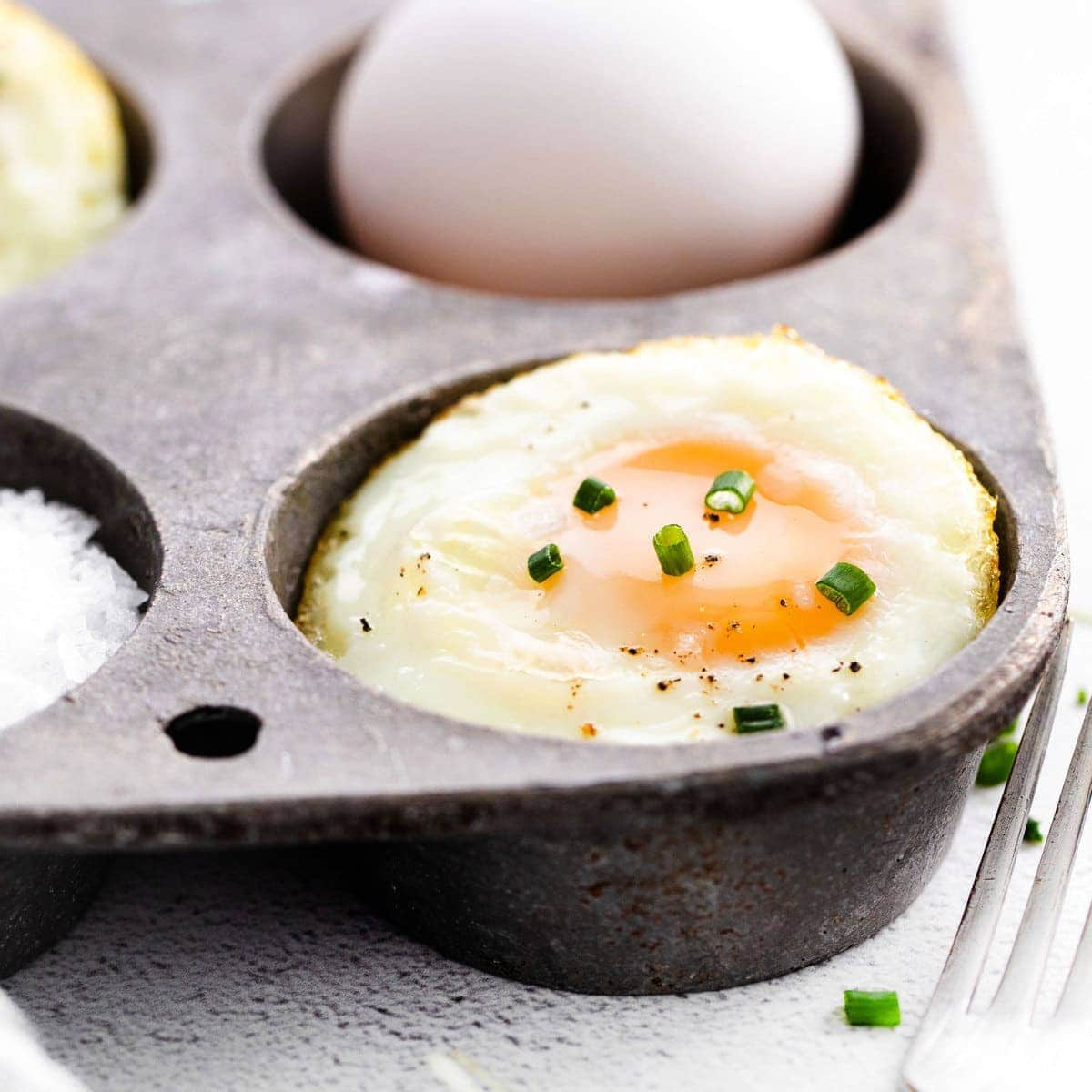
Unlock the Secret to Effortless Breakfast: How to Bake Eggs in Oven
Imagine waking up to a delicious, protein-packed breakfast that practically makes itself. No standing over a hot stove, no messy frying pans, and absolutely no tedious peeling like with hard-boiled eggs. Sound like a dream? It's not! Learning how to bake eggs in oven is a game-changer for anyone looking to streamline their mornings, master meal prep, and consistently achieve that perfect yolk – whether you crave a luscious, jammy center or a fully set, firm bite.
For too long, breakfast has been the Achilles' heel of healthy eating for many. We rush out the door, grabbing whatever's convenient, often sacrificing nutrition for speed. But what if your healthy, satisfying breakfast was ready and waiting? Oven-baked eggs offer a hands-off, versatile solution that will revolutionize your routine and set a positive tone for your entire day. Say goodbye to the struggles of sticky eggshells and hello to a new era of effortless, delicious egg preparation.
Why Oven-Baked Eggs Are Your New Breakfast Staple
The beauty of baking eggs in the oven lies in its sheer simplicity and incredible benefits. It's a method that caters to both the busy professional and the casual weekend brunch enthusiast, offering a level of convenience unmatched by traditional stovetop methods.
- Unmatched Convenience: Unlike frying or scrambling, which demand constant attention, baking eggs allows you to simply set a timer and walk away. This hands-off approach frees you up to tackle other morning tasks, from brewing coffee to getting ready for your day.
- Ideal for Meal Prep: This is where oven-baked eggs truly shine. Preparing a batch of eggs for the week takes mere minutes. They store beautifully in the fridge, making grab-and-go breakfasts incredibly easy. For more on this, check out our guide on Streamline Your Mornings: Easy Oven Baked Eggs in a Muffin Tin.
- Health-Conscious & Protein-Packed: Starting your day with a solid source of protein helps you feel fuller longer, stabilize blood sugar, and maintain energy levels throughout the morning. Baking uses minimal added fats, making it a healthy option.
- No Peeling Required: Perhaps the most celebrated advantage over hard-boiled eggs! The frustration of trying to peel stubborn shells is a thing of the past. Baked eggs slide easily out of a properly greased tin, ready to enjoy. Discover more benefits by reading Ditch the Peeling: Effortless Baked Eggs Are Your New Breakfast Staple.
- Customizable Doneness: The oven provides precise control over yolk consistency. Whether you desire a runny, jammy, or fully set yolk, it's easily achievable by adjusting the baking time.
Compared to fried eggs, which can be greasy, or scrambled eggs, which require constant stirring, oven-baked eggs offer a cleaner, more consistent result with less effort. They're a revelation for anyone who values efficiency without compromising on taste or nutrition.
The Essential Guide: How to Bake Eggs in a Muffin Tin for Perfect Yolks
The muffin tin method is arguably the easiest and most popular way to bake eggs in the oven. It creates perfectly portioned, individual eggs that are ideal for meal prepping and quick breakfasts. Master this technique, and you'll always know how to bake eggs in oven like a pro.
Tools and Ingredients You'll Need:
- Standard Muffin Pan: A good quality nonstick pan is highly recommended. If you only have a regular metal pan, ensure you grease it extra thoroughly. Silicone muffin pans also work well and make removal a breeze. A 12-cup pan is standard, but smaller batches are perfectly fine.
- Eggs: Fresh, large eggs are typically used for this method. While not strictly necessary, bringing your eggs to room temperature can sometimes help them cook more evenly.
- Greasing Agent: This is crucial to prevent sticking!
- Oil: A light, neutral oil like avocado oil, vegetable oil, or a nonstick cooking spray works wonders.
- Butter: Melted butter adds a lovely flavor and helps with release.
- Optional Seasonings and Add-ins: Salt, freshly cracked black pepper are essential. Get creative with dried herbs, a pinch of chili flakes, or a sprinkle of shredded cheese.
Step-by-Step Instructions for Muffin Tin Eggs:
- Preheat Your Oven: Start by preheating your oven to 350°F (175°C). Accurate oven temperature is key for consistent results, so if you suspect your oven runs hot or cold, consider using an oven thermometer.
- Prepare Your Muffin Pan: Lightly but thoroughly grease each cup of the muffin pan. Use about 1/2 teaspoon of oil or a small pat of butter per cup, ensuring the bottom and sides are well-coated. For cooking spray, a quick, even spritz is enough. This step is critical for easy release.
- Crack the Eggs: Carefully crack one egg into each greased muffin cup. Try to crack them gently to keep the yolks intact.
- Season (Optional): Sprinkle each egg with a pinch of salt and black pepper. This is also the stage to add any other desired toppings like a dash of hot sauce, a sprinkle of chives, or a tiny pinch of cheese.
- Bake to Your Desired Doneness: Place the muffin pan into the preheated oven. Baking times will vary depending on your oven and your preferred yolk consistency:
- Jammy Yolks (Set Whites, Runny/Custardy Yolks): Bake for approximately 14-15 minutes. The whites should be fully set, but the yolks will still be wonderfully soft and liquid in the center. This is my personal favorite!
- Firm But Tender Yolks (Slightly Custardy Center): Bake for about 16-17 minutes. The yolks will be mostly set but still have a creamy, moist texture without being fully hard.
- Fully Set Yolks (Hard-Boiled Egg Consistency): Bake for 18-20 minutes. The whites and yolks will be completely firm, similar to a traditional hard-boiled egg, but with a richer, oven-baked flavor.
Pro Tip: Remember that eggs will continue to cook slightly with residual heat once removed from the oven. If you prefer a truly jammy yolk, err on the side of slightly less time.
- Remove and Serve: Once baked to your liking, carefully remove the muffin pan from the oven. Let the eggs cool in the pan for 1-2 minutes. This brief cooling period helps them firm up slightly and makes them easier to remove. Use a small spatula or a spoon to gently lift each egg out of its cup.
Pro Tips for Success:
- Know Your Oven: Every oven is different. The first time you try this, keep a close eye on your eggs, especially towards the end of the baking time. Note down the exact timing that works best for your oven and your preferred doneness.
- Avoid Overcrowding: If baking multiple pans, ensure there's enough space for air to circulate for even cooking.
- Experiment with Ramekins: For an elegant individual serving, try baking eggs in small, oven-safe ramekins. You can add a splash of cream or a sprinkle of cheese beneath the egg for a richer dish. Baking times might be slightly longer due to the thicker ramekin walls.
- A Touch of Steam (Optional): For incredibly tender whites, some chefs recommend adding a shallow pan of water to the bottom rack of your oven while the eggs bake. The steam helps create a softer texture.
- Cold vs. Room Temperature Eggs: While the difference is minimal for baked eggs in a muffin tin, using room temperature eggs can sometimes lead to slightly more even cooking.
Elevate Your Baked Eggs: Beyond the Basic Muffin Tin
While the muffin tin method is fantastic for everyday convenience, oven baking offers a world of possibilities for more elaborate, savory dishes. Understanding how to bake eggs in oven extends to creating gourmet-level meals with minimal fuss.
Baked Eggs Napoleon Style: A Savory Delight
Inspired by rich, layered European baked egg dishes, this approach turns simple eggs into a hearty and flavorful meal. The concept involves building a savory base in an oven-safe dish, then gently nestling the eggs on top to bake.
- Prepare Your Base: Start by sautéing finely chopped onions, garlic, and colorful bell peppers in a pan with some butter or oil until tender (3-4 minutes on high heat).
- Layer the Flavors: Spread the sautéed vegetables evenly along the bottom of a shallow oven-safe dish. Sprinkle crumbled feta cheese (or goat cheese, ricotta, gruyere) over the veggies.
- Add Texture: For an extra layer of flavor and crunch, sauté bread cubes (from a good quality bread, like sourdough or brioche) in the same pan until golden, then distribute them evenly over the feta cheese. This creates a delightful contrast in textures.
- Nestle the Eggs: Gently crack eggs directly on top of the bread cubes and feta, leaving a little space between each egg like small nests.
- Season and Bake: Season generously with salt and black pepper. Place the dish in a preheated 360°F (180°C) oven and bake for 10-15 minutes, or until the whites are set and the yolks reach your desired consistency. Serve immediately with a sprinkle of fresh herbs.
Variation Ideas: Instead of the Napoleon base, consider other delicious foundations like a bed of sautéed spinach, a rich tomato sauce (like shakshuka), leftover hash, or even a creamy polenta. The possibilities are endless once you understand the core technique of baking eggs over a flavorful base.
Single-Serve Ramekin Baked Eggs with Cream and Herbs
For a more elegant, yet equally easy, presentation, baking eggs in individual ramekins is a perfect choice. This method allows for customized flavor profiles for each serving.
- Prepare Ramekins: Grease the inside of individual oven-safe ramekins with butter.
- Add Flavor Base: Pour a tablespoon or two of heavy cream or half-and-half into the bottom of each ramekin. You can also add a spoonful of soft cheese (like cream cheese or goat cheese), a pinch of fresh herbs (chives, parsley, dill), or even a thin slice of ham or prosciutto.
- Crack Eggs: Gently crack one or two eggs (depending on ramekin size and preference) into each ramekin.
- Season and Bake: Season with salt and pepper. Bake in a preheated 375°F (190°C) oven for 10-18 minutes, adjusting for yolk preference. Ramekins might take a few minutes longer than muffin tins due to their thicker walls.
- Garnish and Serve: Garnish with fresh herbs before serving warm, perhaps with some crusty bread for dipping into the rich yolks.
Meal Prep, Storage, and Serving Suggestions
One of the greatest advantages of knowing how to bake eggs in oven is the incredible ease of meal preparation. Make a batch on Sunday, and enjoy healthy, delicious breakfasts all week long.
- Storage: Once cooled completely, store your baked eggs in an airtight container in the refrigerator for up to 3-5 days.
- Reheating:
- Microwave: Reheat individual eggs in the microwave for 30-60 seconds, or until warmed through. Be careful not to overcook, especially if you prefer a jammy yolk.
- Oven: For larger batches, reheat in a preheated oven at 300°F (150°C) for 5-10 minutes.
- Stovetop: You can even gently pan-fry them for a minute or two in a lightly greased pan to crisp up the edges.
- Serving Ideas:
- On Toast: A classic! Serve on avocado toast, with buttered sourdough, or a crispy English muffin.
- Breakfast Sandwiches/Wraps: Perfect for a quick, portable meal.
- Salad Topper: Add a boost of protein to your lunchtime salad.
- With Grains: Serve alongside quinoa, farro, or roasted vegetables for a complete meal.
- In a Power Bowl: Combine with roasted sweet potatoes, spinach, and a dollop of hummus.
Conclusion
Mastering how to bake eggs in oven is more than just learning a new recipe; it's adopting a culinary hack that saves time, reduces stress, and consistently delivers perfectly cooked eggs. Whether you're craving that delightful jammy yolk or a fully set, easy-to-grab protein source, the oven provides the precision and hands-off convenience you need. From simple muffin tin eggs for daily meal prep to elegant baked dishes perfect for brunch, the versatility of oven-baked eggs is truly remarkable. Embrace this easy, delicious method, and transform your breakfast routine for good!
